
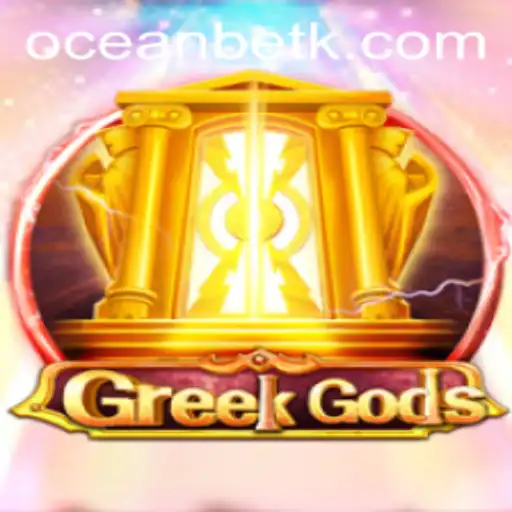
GreekGods: The Thrilling Convergence of Myth and Modernity
In an age where digital entertainment continues to evolve, GreekGods emerges as a captivating blend of mythology and interactive gameplay. This game invites players into a universe rich with ancient lore while incorporating contemporary mechanics that enhance the gaming experience. Set against the backdrop of iconic Greek myths, GreekGods presents a multifaceted platform where players navigate challenges inspired by legendary tales and current societal themes.
An Introduction to GreekGods
GreekGods is not just a game; it's a narrative journey where players engage with mythical figures such as Zeus, Athena, and Hades. Designed to capture the imagination, GreekGods offers an intricate storyline woven into its core gameplay mechanics. Aimed at both mythology enthusiasts and casual gamers, the game provides an accessible yet profound look into the realms of ancient Greek lore.
The game begins in Olympus, the mythical home of the gods, setting a majestic entry point for players. Here, players are introduced to their first challenge and set the stage for the mysteries and adventures that lie ahead. The primary objective is to gain divine favor by completing tasks that are both intellectually stimulating and strategically demanding.
Engaging Storylines and Missions
Central to GreekGods is its narrative depth, reflecting modern storytelling trends that call for immersive experiences. Each mission drives the player deeper into the lore, offering multiple paths and outcomes based on choices made throughout the game. Whether aligning with the virtuous Athena or choosing the darker path alongside Hades, players find themselves constantly evaluating their moral and strategic decisions.
The developers have seamlessly integrated themes relevant to current events into their storylines. By reflecting societal concerns such as environmental sustainability and the power dynamics prevalent in today's world, GreekGods resonates with a contemporary audience and encourages players to think critically about their choices both in the game and beyond it.
Core Gameplay Mechanics
Incorporating both strategic gameplay and fast-paced action, GreekGods requires players to balance different types of in-game challenges. The use of resource management and tactical decision-making blends well with classic action elements, creating a dynamic gaming environment. Players must manage 'Favor Points' which represent the goodwill of the gods, influencing the progression and difficulty of their missions.
This mechanic fosters strategic thinking, as players decide where to allocate their resources to maximize benefits and avoid divine wrath. Additionally, the introduction of 'Divine Blessings', temporary power-ups granted by the gods, allows players adaptability during particularly challenging segments. These blessings feature abilities like increased strength or enhanced decision-making clarity, instrumental for overcoming tougher obstacles.
Adapting to Modern Trends
A unique feature of GreekGods is its continuous evolution, mirroring current gaming trends that emphasize player feedback and community involvement. Frequent updates based on player interaction ensure that the game stays fresh, offering new quests, characters, and dynamic events that reflect the evolving interests and concerns of its player base.
This approach not only keeps players engaged but allows GreekGods to remain relevant in an industry marked by rapid change. By incorporating the voices and ideas from its community, the game creates a shared development experience that is both inclusive and innovative.
Rules and Gameplay Structure
While engaging narratives and dynamic mechanics define GreekGods, the game also adheres to a structured set of rules that drive its gameplay. With a clear focus on progression and achievement, players must adhere to specific milestones while allowing creativity and strategic planning.
1. **Favor Points Management:** Players earn points through successful missions and strategic decisions, directly impacting their relationship with the mythic Pantheon. Mismanagement leads to in-game challenges and a potential reset of progression paths.
2. **Choice-Based Narratives:** Player choices influence multiple outcomes, directly affecting the story and character development. This element promotes replayability as different decisions yield unique endings and experiences.
3. **Collaborative Challenges:** GreekGods encourages community collaboration through multiplayer features that connect players in cooperative missions. This fosters a sense of camaraderie and competition, with rewards tailored to group success.
Connecting GreekGods with the Present
The impact of GreekGods extends beyond traditional gameplay, reaching into a broader discourse about myth and relevancy. By drawing parallels with issues such as power, governance, and environmental concerns, GreekGods actively participates in cultural conversations, making it a platform for reflection as much as entertainment.
As the digital landscape continues to expand, games like GreekGods demonstrate the potential of interactive entertainment to combine classic storytelling with modern themes. With its rich mythology and adaptive gameplay, GreekGods sets a precedent for future developments in the industry.